





Most owners and founders hear the same advice about personal branding:
“Post more.” “Be authentic.” “Tell your story.”
That advice isn’t wrong. It’s just incomplete.
My personal brand didn’t grow because I posted a lot. It grew because I had no other edge.
No degree. New dad. Recently laid off.
LinkedIn was the only lever I had.
I didn’t apply to jobs. I reached out. I built relationships. I stayed visible. Over time, my network became my safety net,and eventually, my growth engine.
That experience shaped the core principle behind this system:
Visibility creates opportunity. Systems turn visibility into pipeline.

Earlier this week, I teased the gaps most founders fall into:
- Visibility treated like a hobby
- Branding turned inward instead of outward
- Random posting instead of a real framework
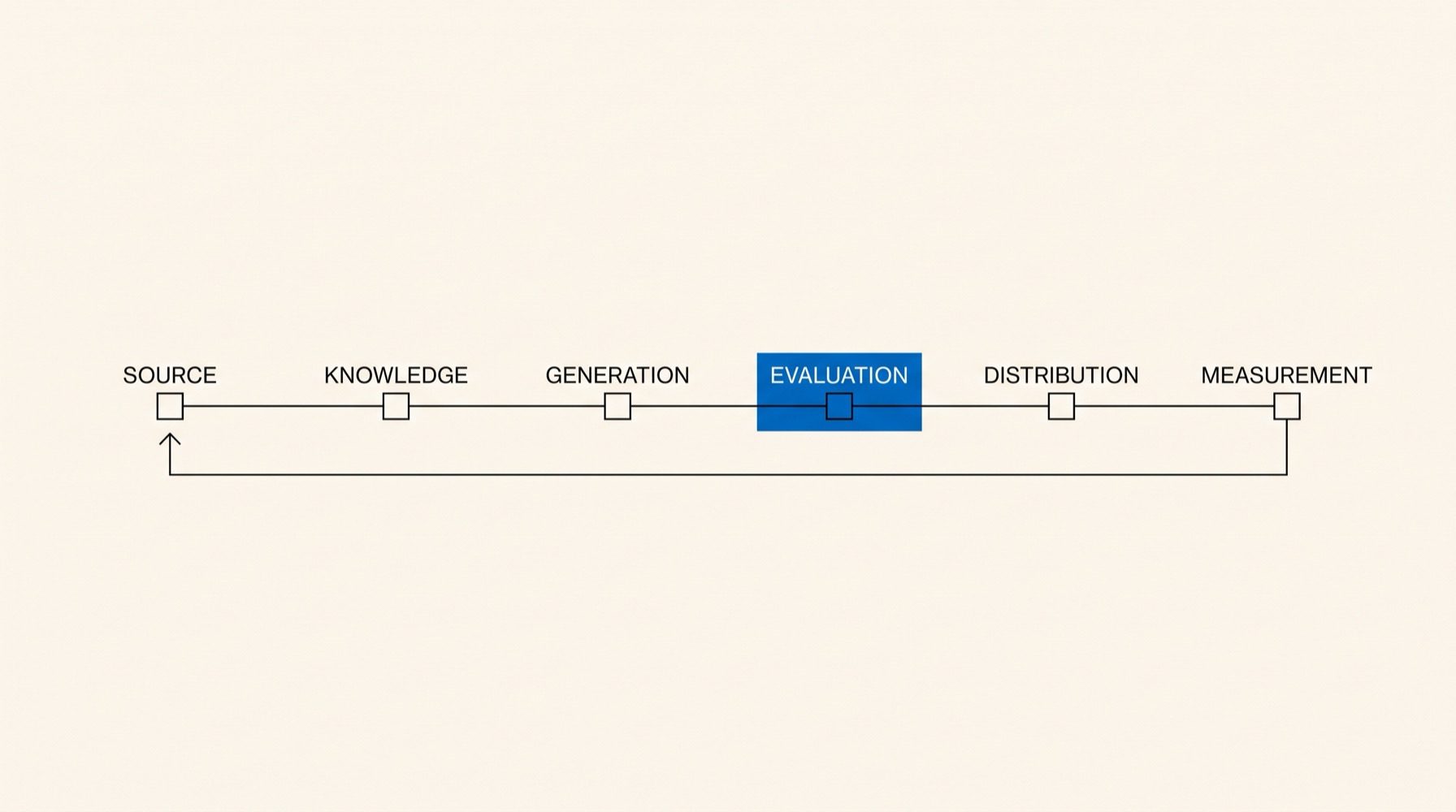
This is the full 8-step system that ties it all together.
Why Personal Branding Actually Matters for Owners and Founders
Personal branding isn’t vanity. It’s leverage.
When your name is trusted:
- Sales cycles shorten
- Recruiting gets easier
- Partnerships start warmer
When your name is unknown:
- You pay more for attention
- You spend more time convincing
- Outbound has to work harder to hit the same targets
A personal brand doesn’t replace a company brand. It reduces friction everywhere the company brand shows up.
Step 1: Define Your Position in One Sentence
If someone can’t explain what you do in one sentence, they won’t remember you.
Clarity beats cleverness.
Your position should answer:
- Who you help
- What problem you solve
- Why your approach is different
Example:
“I help B2B founders turn LinkedIn visibility into pipeline using a repeatable system.”
If this sentence is blurry, everything downstream gets harder. If it’s sharp, content becomes easier to write,and easier to trust.
Step 2: Build Proof Before You Build Polish
Claims don’t build trust. Proof does.
Proof can look like:
- Outcomes you helped create
- Stories from the field
- Lessons learned the hard way
- Frameworks you’ve tested under pressure
Proof doesn’t need to be perfect. It needs to be real.
Example:
“Here’s the exact sequence that moved a deal from cold to warm in 10 days.”
If you can show the before and after, people believe the how.
Step 3: Choose One Visibility Channel
Being everywhere feels impressive. It’s shallow.
Pick one channel and become known there first. For most founders, that’s LinkedIn.
One channel. One audience. One reputation.
Choose based on:
- Where your buyers already spend time
- Where you can show up consistently
- Where your proof is easiest to demonstrate
Depth beats breadth,especially early.
Step 4: Commit to a Consistent Presence
You don’t need to post every day. You do need to show up predictably.
Pick a cadence you can maintain for 12 weeks and protect it. Consistency builds recall. Recall creates referrals.
Disappear for three weeks, and your brand resets.
A simple rhythm:
- Monday: Point of view
- Wednesday: Proof or case
- Friday: Framework or lesson
Small, repeated actions compound. That’s how habits become reputation.
Step 5: Develop a Point of View That Cuts Through Noise
Founders blend in when they echo the market. They stand out when they challenge it.
Your POV is your signal.
Use this structure:
- Popular belief
- Your disagreement
- Why you see it differently
If you don’t have a POV, you don’t have a brand. If you do, people remember you for something.
Step 6: Teach in Public (Without Giving Away the Whole Playbook)
Teach principles, not full execution.
Share how you think,not every step you take.
Formats that work:
- Breaking down a decision you made
- Explaining a framework you use
- Sharing partial checklists
People don’t need your entire playbook. They need proof you can guide them.
Step 7: Create a Clear Path to the Next Step
A personal brand that doesn’t lead anywhere is just content.
Decide what you want people to do next:
- Subscribe
- Reply
- Download
- Book
- Apply
Simple rules:
- One CTA per week
- Make it low friction
- Repeat it until it feels obvious
If you want demand, you need direction.
Step 8: Audit and Refine Every 30 Days
Branding isn’t a launch. It’s a system.
Every month, review:
- What drives replies
- What gets saved or shared
- Where people get confused
Then adjust.
A simple scorecard:
- Position clarity (1–5)
- Proof strength (1–5)
- Consistency (1–5)
- CTA response (1–5)
Small corrections beat big reinventions.
What This Looks Like in a Single Week
Each week follows the same narrative arc:
Pain → Agitation → Insight → Partial Solution → Full Framework
By Friday, the deeper content should feel inevitable. That’s narrative compounding.
Common Mistakes to Avoid
- Posting without a position
- Sharing opinions without proof
- Switching channels every week
- Teaching everything at once
- Having no clear next step
If you’ve made these mistakes, good. Most people do.
Fixing them is the system.
The Quick-Start Checklist
If you want to apply this immediately:
- Write your one-sentence position
- List three proofs you can share
- Choose one channel and cadence
- Define one contrarian belief you actually hold
- Decide the next step you want someone to take
That’s how a personal brand stops being a vibe,and becomes a system.
If you want help building this for your business, schedule a call.