

In B2B sales, B2B competitor signal collection is no longer optional—it’s a must. Crayon’s State of Competitive Intelligence report shows that nearly 65% of sales opportunities are competitive. Missing out on timely competitor signals means losing edge, pipeline velocity, and ultimately, revenue.
I’ve seen firsthand how competitive intelligence can transform demand generation. But getting the right signals at the right time requires more than guesswork—it needs a system rooted in smart data collection and AI-powered insights. Here’s how to level up your competitor signal collection and turn it into pipeline growth.
B2B Competitor Signal Collection as a Demand Gen Channel
Competitive intelligence often feels like an isolated function. Yet, when you treat B2B competitor signal collection as a steady demand gen channel, the impact is huge. You don’t just react—you proactively influence the battle for buyer attention.
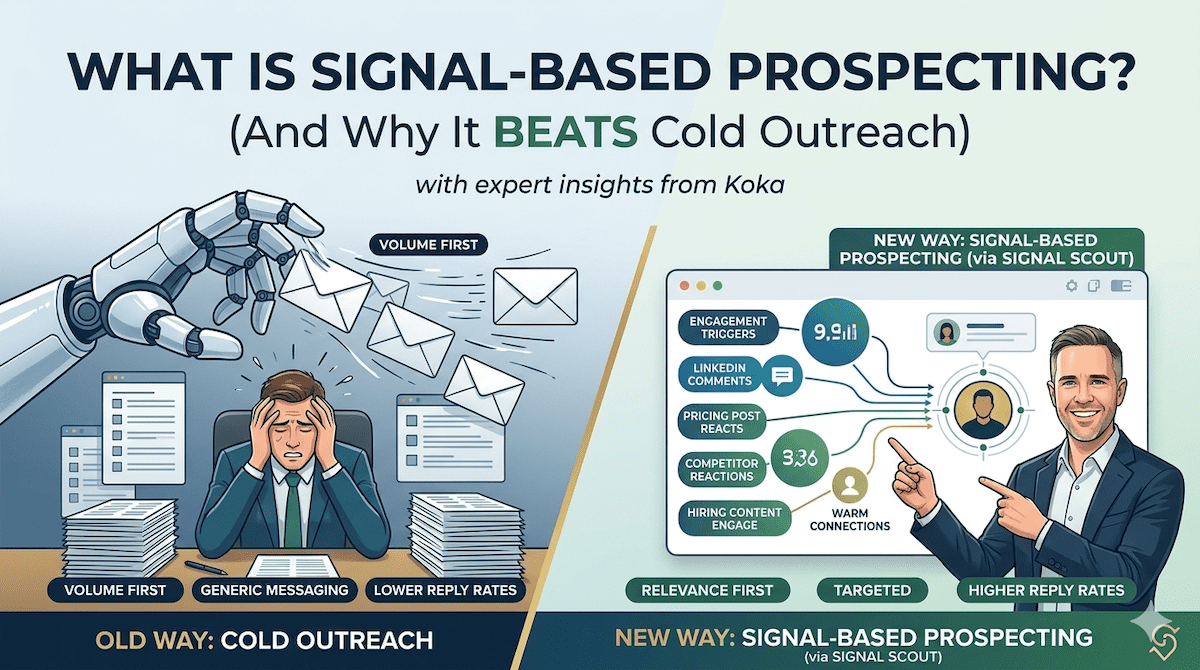
Start by integrating signals from multiple sources: social media posts, product updates, pricing changes, customer reviews, and relevant news mentions. Then automate this with AI tools that scan data daily. For example, I use tools that spot shifts in competitor messaging or highlight new feature launches before sales flags them.
The real power comes when these signals feed directly into your content and sales enablement efforts. I use competitive insights to refresh sales battlecards and tailor demand gen campaigns that highlight our unique strengths. As a result, intelligence supports pipeline acceleration instead of sitting in a report.
If your team struggles to keep battlecards current or gather intel fast, you’re not alone. Over half of competitive intelligence pros say timely updates are a major pain point. That is where AI tools shine. They help you collect, filter, and deliver relevant competitor info without manual wrestling, so your intelligence becomes actionable.
B2B Competitor Signal Collection with AI Tools
In my experience, AI is a game changer in competitive intelligence. About 25% of CI leaders already deploy AI tools, with more than half ready to jump in next. AI’s ability to analyze patterns, track sentiment, and predict competitor moves delivers a massive edge over traditional methods.
I recommend experimenting with AI-powered platforms that combine natural language processing and machine learning to automate competitor signal collection. These tools scan websites, social mentions, job boards, and funding announcements. As a result, you get a near real-time competitive picture. Market Research Future estimates the competitive intelligence tool market at about $6.6B in 2024, growing to $16.82B by 2035, which shows how fast this space is scaling.
Here are the core practices I use to keep AI-driven signal collection actionable:
- Track the signals that change deals, not every competitor update.
- Automate capture so you stop relying on manual checks.
- Score signals by impact and timing to avoid noise.
- Share insights fast with sales and marketing in the same week.
- Turn each signal into a decision or action, not a report.
If you want a deeper system view, the ChatGPT projects framework for budget planning and pipeline optimization shows how to structure signal inputs so they drive decisions. And if you need a partner to operationalize this across your funnel, our demand generation services can help build the workflows and reporting.
One best practice I follow is layering AI outputs with human expertise. AI flags the signals; I interpret their impact on messaging, positioning, and pipeline. This hybrid approach accelerates how we capitalize on competitor weaknesses or market gaps.
The key is to build workflows where AI insights trigger specific marketing and sales actions. For example, if a competitor launches a new feature, your content team can quickly publish comparison content or adjust ads highlighting your advantages. This keeps your demand gen efforts highly relevant and timely.
For a deeper dive into integrating AI into your marketing stack, I recommend reading how marketing leaders use ChatGPT projects for smarter budget planning and pipeline optimization. That framework mirrors how competitive intelligence can be embedded into your systems, not just a side effort.


What to Do Next: Build, Test, and Operationalize Competitive Signals
Competitive intelligence only drives results when it’s operational. If you want competitor signals to influence pipeline and win rates, here’s what I recommend you build, test, and create over the next 60–90 days.
- Build a minimum viable competitor signal system.
Start small, but make it real. Create a short list of 5–10 competitors tied to active deals, not every company in your category. Then define the signals that matter (product launches, pricing changes, positioning shifts), the sources for each signal, and the owner of signal review. Your goal isn’t perfect coverage. It is repeatable signal flow.
- Test AI-driven signal collection before you over-invest.
Run a 30-day sprint with 1–2 AI tools. Compare AI-detected signals vs. human-discovered ones. Track speed to insight, relevance to active deals, and signal-to-noise ratio. In practice, success looks like faster awareness, not more data.
Make B2B Competitor Signal Collection Actionable
- Create trigger-based actions, not static reports.
For each high-value signal, define an action. Competitor feature launch? Update the sales battlecard and post enablement notes. Messaging shift? Adjust ad copy or landing page language. Pricing change? Arm sales with objection-handling snippets. If a signal doesn’t trigger an action, it shouldn’t exist in your system.
- Embed signals into existing workflows.
Don’t add meetings. Add leverage. Plug competitive signals into weekly pipeline reviews, campaign planning docs, sales enablement updates, and product marketing roadmaps. As a result, competitive intelligence becomes ambient context, not a separate function.
- Measure what actually moves the needle.
Avoid vanity CI metrics. Instead, track time from signal to enablement update, win rate against competitors before vs. after signal activation, pipeline velocity for deals with competitive context, and content engagement tied to competitor-driven campaigns.
To win in competitive B2B markets, you don’t need more intelligence—you need faster, cleaner, and more actionable signals. Build a system, test AI thoughtfully, tie signals to action, and measure impact on pipeline.
For teams ready to operationalize this, explore our competitive intelligence and demand generation services.

Featured Videos from Learning Paths
One quick watch from each curated path.