


TL;DR
AI-powered content engines are transforming marketing from campaign-based execution into a continuous, adaptive system that learns and optimizes itself. These intelligent systems combine machine learning, automation, and creativity to deliver high-performing content faster — redefining the marketer’s role in the process.
The Shift from Campaigns to Continuous Content Systems
Marketing is no longer about running one campaign after another. The world’s top B2B growth teams now operate always-on content systems that self-optimize in real time.
According to the State of GTM AI 2025 report, nearly two-thirds of go-to-market teams are already using AI to scale campaign output, with 85% reporting measurable productivity and pipeline growth.
This marks a fundamental shift — from human-managed timelines to AI-automated orchestration, where machine intelligence continuously learns which topics, formats, and messages drive conversions.
If you want to explore how this shift impacts entire GTM systems, see Adaptive GTM: Why B2B Marketing Needs to Shift from Campaigns to Systems.
What Exactly Is an AI-Powered Content Engine?
An AI content engine integrates data analytics, content generation, and automation into one cohesive workflow. It’s not just a set of tools — it’s an adaptive system that fuels itself through data.
Core functions include:
- Content Intelligence: Predictive analytics models identify emerging search trends and user intent.
- AI Copy Generation: Large language models like GPT-5 or Jasper craft tone-consistent content aligned with your brand.
- Optimization Layer: SEO and schema automation ensure discoverability across AI-driven platforms like ChatGPT Search and Perplexity.
- Distribution Automation: Systems like Zapier and Workato push content to multiple platforms automatically.
This structure mirrors the “content engine” frameworks described in Build a Scalable Content Strategy, where every component — from ideation to measurement — feeds into a single feedback loop.

The End of Guesswork: Data-Driven Creativity
In the past, marketers relied on instinct and static personas. Now, AI quantifies creativity.
Machine learning identifies which stories resonate with which audience segments by monitoring micro-interactions across email, social, and on-site behaviors.
Marketo’s 2025 research confirms this trend — data interpretation and machine learning now top the list of most valuable marketing skills.
An example: AI-powered analytics can detect that a whitepaper performs better when followed by a video snippet. Your engine then automatically generates and embeds that snippet — improving click-through rates without manual A/B testing.
For examples of this in action, see AI in Action: How B2B Marketers Can Harness ChatGPT and Generative AI for Real ROI.
Scaling Human Insight with Machine Precision
AI doesn’t replace marketers — it amplifies them.
Humans define strategy and narrative; AI handles speed, optimization, and scale.
This collaboration is evident in enterprise-level operations at companies like LinkedIn and Slack, where AI has reduced content turnaround time by up to 80% while preserving human brand nuance.
As explained in Automation with Intent, the most successful marketing teams use AI not just to automate tasks, but to enhance emotional resonance — allowing content to connect while still performing under technical SEO scrutiny.
The SEO Revolution: Building for Humans and Machines
Search behavior has changed drastically. In 2025, AI-powered search engines like Google’s AI Overviews and ChatGPT Search dominate the results page, creating a “zero-click” environment where users get answers without leaving the SERP.
To remain visible, brands must design content that’s machine-parsable and semantically rich.
Best practices include:
- Implementing FAQ and Article Schema to help AI summarize your content accurately.
- Structuring sections in Q&A format for snippet eligibility.
- Embedding internal links that clarify topical relationships and authority (as demonstrated in Funnel Optimization).
By aligning with E-E-A-T (Experience, Expertise, Authority, Trustworthiness) principles, brands can signal credibility not only to human readers but to AI crawlers that decide which content earns visibility.
From Funnels to Adaptive Ecosystems
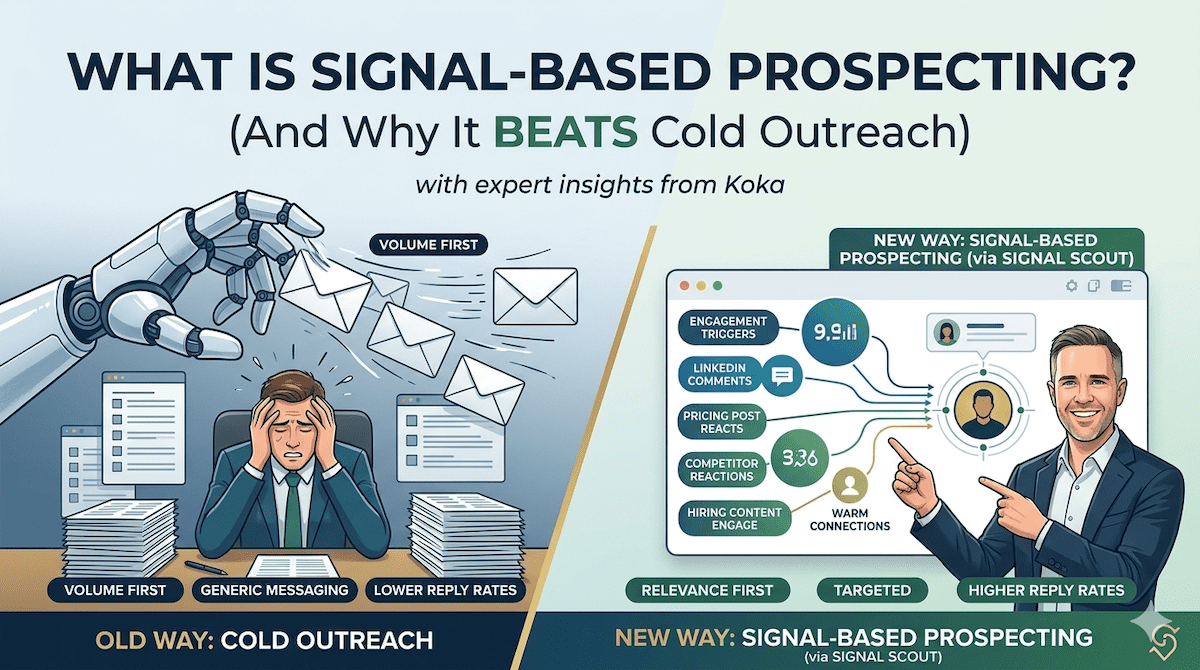
Traditional marketing funnels move prospects from awareness to decision in static steps. AI-powered content engines transform this into an adaptive experience, adjusting in real time based on behavioral signals.
For instance, if a VP of Sales engages with a GTM guide, the engine automatically recommends case studies from From Leads to Advocates — reinforcing trust and relevance without human intervention.
This approach mirrors the Phase 2 adoption described in State of GTM AI, where marketing teams focus on improving decision quality rather than just scaling content quantity.

Building Your Own AI Content Engine
Ready to create your own? Follow these practical steps inspired by frameworks from Campaign Strategy Execution:
- Audit your ecosystem: Inventory all existing assets and tech stacks.
- Integrate AI layers: Connect GPT tools (Copy.ai, Jasper, Notion AI) with automation hubs like Pabbly or Tray.io.
- Embed structured data: Use schema markup to make every page AI-readable.
- Activate continuous learning: Feed performance data back into your engine for adaptive optimization.
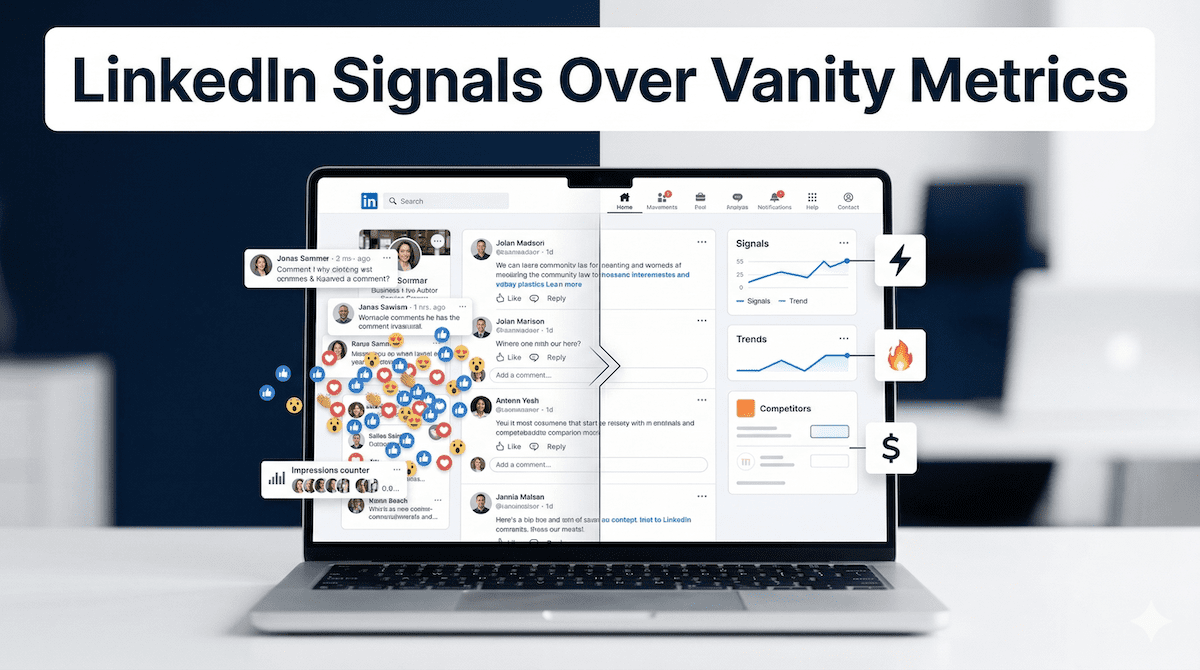
- Measure with intent: Replace vanity metrics with predictive revenue attribution (as explored in Demand Generation).
This transforms content creation from a linear workflow into an autonomous system that evolves continuously — learning from each campaign.
The Future: Agentic Marketing Systems
Looking ahead, agentic AI systems will manage the entire lifecycle of marketing — ideation, testing, optimization, and reporting — without requiring constant human oversight.
These agents will connect CRMs, SEO platforms, and creative tools to deliver real-time, contextually aware marketing.
Imagine an AI that drafts a case study, A/B tests headlines across LinkedIn and email, and dynamically routes leads into your pipeline — all autonomously.
For a deep dive into this evolution, visit How Marketing Must Adapt in 2026: AI Agility & Customer-Centric Strategies.

Featured Videos from Learning Paths
One quick watch from each curated path.