





TL;DR Teams winning with ABM in 2026 are not buying better intent data. They are building signal collection systems that turn public professional activity into a real-time ABM data layer. Here is the framework I developed running SignalScout that replaces expensive intent data with signals your buyers already generate for free.
Why I Stopped Buying Intent Data
I spent years selling intent data solutions at LinkedIn. I watched teams spend $50K to $150K annually on third-party intent signals that arrived two weeks late. The data told you a company was in market but not which person, for what reason, or at what stage. I cross-referenced one client's $120K Bombora contract against real LinkedIn activity. People posting about their category, commenting on competitor content, changing jobs. The overlap was under 15%. That's when I realized most ABM budgets target accounts that show statistical intent but zero human activity.
The signal gap is the distance between what your ABM data layer tells you about an account and what a human paying attention would notice. Closing that gap is the highest-leverage investment a B2B team can make in 2026.
The Signal-Based ABM Framework
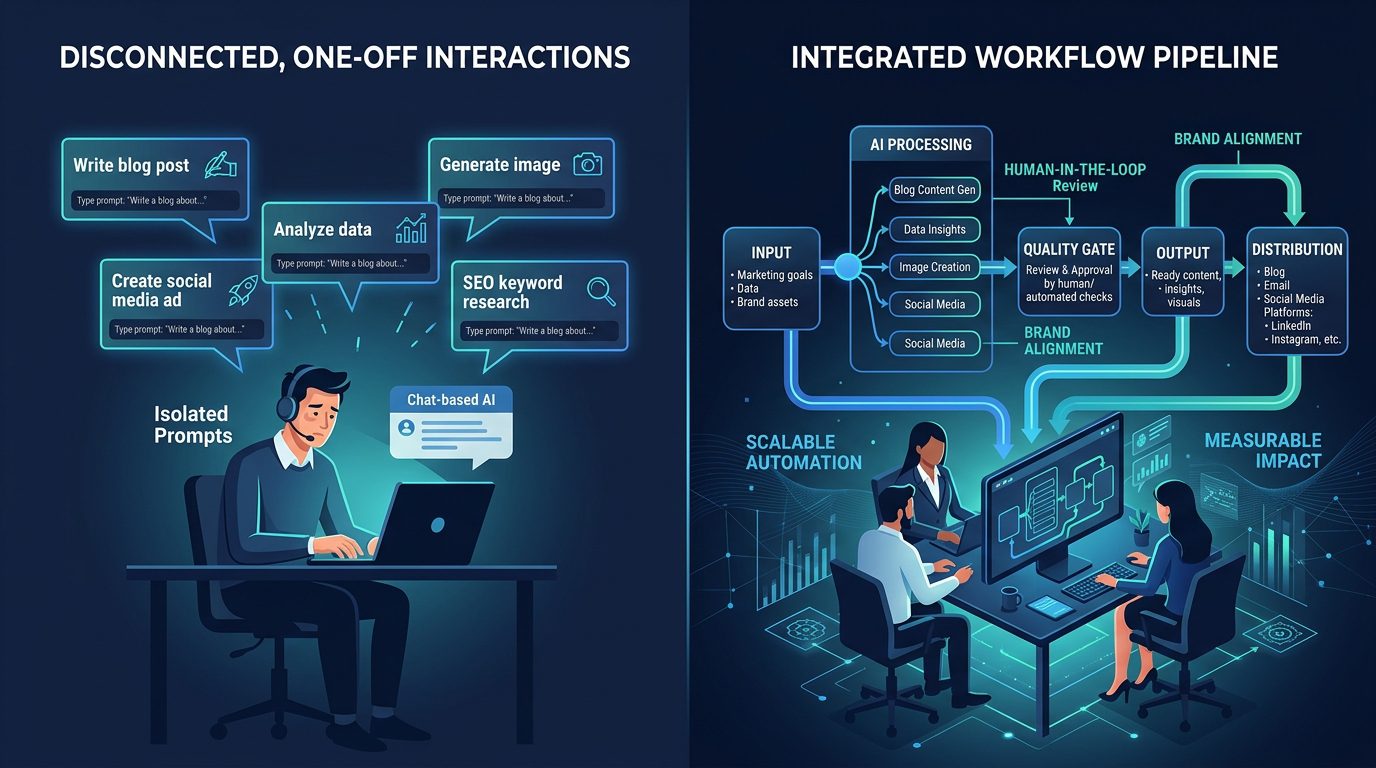
I built this framework from running SignalScout and working with pipeline teams. It replaces the old intent data model with a continuous loop: Observe, Engage, Convert, Amplify.
Stage 1: Observe – Four Signal Types Worth Tracking
| Signal Type | Predictive Value | What It Tells You |
|---|---|---|
| Content engagement | Highest | Active research in your category. 40-45% warm reply rates. |
| Profile activity | High | Job change equals organizational shift equals buying need. |
| Peer validation | High | Three or more from same account engaging same topic. |
| Competitor engagement | Medium | Evaluating alternatives. Time-sensitive window. |
Stage 2: Engage – Timing Beats Targeting
Teams send quarterly campaigns to accounts where nobody is actively evaluating. Meanwhile someone at a target account posted asking for recommendations and nobody saw it. Signal-triggered outreach flips this: wait for a signal, engage within 24-48 hours referencing it directly.
If you want the exact sequences, templates, and timing rules behind signal-triggered outreach, the warm outbound playbook shows how engagement signals produce 3-4x reply rates.
Saw your post about evaluating new CRM solutions. I have been helping teams reduce evaluation cycles from 6 months to 6 weeks. Worth 15 minutes?
Stage 3: Convert – Segment by Signal
Most ABM platforms claim account-level personalization but deliver the same sequence to everyone. Signal-based ABM segments by signal type. Content creators get framework offers. Profile changers get congratulations with context. Engagers get structured comparisons. Each group responds to a different message format. Match correctly and you see 40-45% positive response rates.
Stage 4: Amplify – Signals Compound
A single conversion is itself a signal. One meeting is a lead. Three related meetings from the same account is a buying committee forming. Escalate that account in your ICP scoring. Find look-alike profiles with the same signal pattern. I have seen teams double pipeline from ABM within 60 days without increasing their target account list size by a single company.

The amplification loop works best when your content is structured around the signals you are tracking. The Signal Play content buckets framework organizes B2B content by signal type so every piece feeds the loop.

The teams doubling pipeline from ABM right now are not buying better data. They are listening better. Signals your buyers generate for free tell you more than any $100K intent contract.
The 60-Day ABM Signal Plan
Here is the playbook I recommend based on what has worked for teams I have advised.
This is the condensed version. For the full framework — the three types of ABM, the seven components of a working engine, and a 30-day build plan — read the complete ABM playbook.
Map signal types to message types. Create a signal-to-action document your SDRs and AEs can reference daily.
Monitor your top 50 accounts using LinkedIn monitoring, SignalScout, or manual CRM tracking.
Zero outreach. Just collect and categorize. By day 35 you will see which signal types are most frequent.
Target your top 10 percent of signals. Track response rate per signal type.
Double down on the signal types that convert. By day 60 you will have a calibrated ABM signal engine.
How the Amplification Loop Works
Here is how the amplification loop works in practice. When you identify an account where multiple employees are suddenly engaging with content about your category, that is not a coincidence. It is a buying committee forming. The right response is not to blast the account with ads. It is to identify each person showing signals, understand what the committee is evaluating, and prepare the appropriate outreach for each role. This is where signal intelligence becomes a force multiplier because one signal tells you to look for others at the same account.
If you are running traditional ABM campaigns today you do not need to throw out your existing programs. Signal-based ABM replaces the data layer that feeds your campaigns not the campaigns themselves. But instead of targeting accounts based on a static ICP tier you target accounts where real-time signal activity indicates active buying intent. Teams using signal-based account targeting report 3-5x higher conversion rates compared to firmographic-only targeting according to aggregate data from SignalScout customers and community benchmarks.
Key Metrics to Track
Measure signal-to-meeting conversion rate by signal type. Track how many signals of each type convert to a sales conversation. After 60 days you will know which signals correlate most strongly with pipeline. For most B2B teams, content engagement signals convert at the highest rate. Job change signals convert fastest. Competitor engagement signals convert at medium rates but tend to be larger deals. Track these separately and you will know exactly which signals to prioritize.
What I Actually Think About ABM in 2026
I do not think ABM is dead. I think the version that relies on third-party intent data and static account tiers is becoming obsolete fast. The teams I see winning treat public signals as their primary ABM data layer. Most B2B teams are still running the old playbook because they do not know how to operationalize signal collection. The teams that build signal-based ABM now will have a 12-18 month lead over those still paying for outdated intent data contracts.
The shift from intent data to signal intelligence does not require a massive budget. It requires a change in how you think about ABM data. Stop asking which accounts fit your ICP and start asking which accounts are showing buying signals right now. The accounts that fit your ICP are the same as last quarter. The accounts showing active signals change every week. Target the signals first and the accounts will follow.
The data is clear and the opportunity is now. Teams that adopt signal-based ABM in the next quarter will have a significant edge. The signals are already there. Your buyers are generating them every day on LinkedIn. The only question is whether your ABM system is designed to see them or blind to them.
The bottom line is simple. Signal-based ABM does not require a new platform or a bigger budget. It requires paying attention to what your buyers are already telling you for free. The teams that do this will have a 12-18 month advantage over those still running old playbooks. The signals are there. Start watching them today.