





TL;DR
- The Rule: Only about 5% of your market is buying right now. The other 95% are out of market, and your job with them is memory, not conversion.
- The Mistake: Most teams spend nearly everything on the 5%, then panic next quarter when the pipeline resets to zero.
- The Fix: Build conversion infrastructure for the 5% and put your compounding investment into memory with the 95%.
- The Start: Own one sharp idea, show up on a schedule, and measure whether buyers remember you before first contact.
Most demand gen teams are running a math problem they have never actually checked. They pour their budget, their scoring models, and their sales SLAs into the small slice of buyers who are ready to buy this quarter. And they quietly let everyone else walk.
The 95-5 rule says that at any given moment, only about 5 percent of your total addressable market is actively in market. The other 95 percent are not buying. Not because your message is wrong. Because they do not need what you sell yet.
Here is the uncomfortable part: most demand gen budgets are built backwards. They spend almost everything converting the 5 percent, and almost nothing building memory with the 95 percent. That is why the pipeline feels like a treadmill.
The 95-5 Rule, Explained
The 95-5 rule comes from the Ehrenberg-Bass Institute for Marketing Science, the same research group behind Byron Sharp’s How Brands Grow. LinkedIn’s B2B Institute applied it to B2B and the finding landed hard: roughly 95 percent of business buyers are not in the market for any given category at any given moment. Only about 5 percent are actively evaluating and buying.
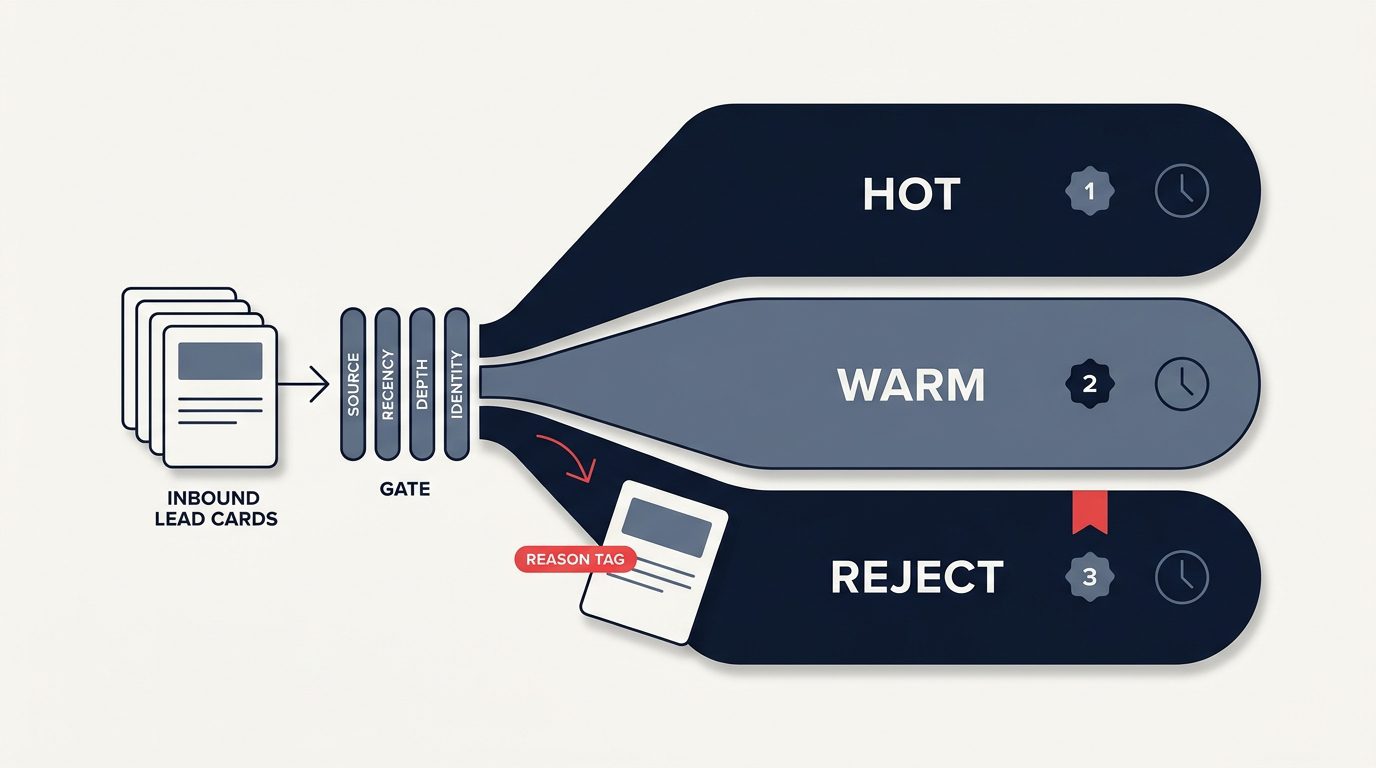
That single number breaks most demand gen strategy, because the two groups need fundamentally different jobs done. The 5 percent need conversion. They need a clear path, low friction, fast response, and enough proof to pick you. The 95 percent need memory. They need to file you away so that when their buying window opens, weeks or months from now, your name is already on the shortlist.
Most teams do the first job well and completely ignore the second. They treat demand gen as a machine that turns spend into this month’s meetings, and they never build the asset that makes next month’s meetings come cheaper.
Demand gen has two jobs: convert the 5% who are buying now, and build memory with the 95% who will buy later. Most teams fund only the first.
Why the 5% Obsession Is Killing Your Pipeline
Here is what happens when a team optimizes everything for the 5 percent. First, they get addicted to the short term. They pour budget into bottom-funnel channels, gated content, and demo requests, because those are the things that show up in this month’s report. It feels like progress, right up until the well runs dry.
Second, they pay more for less. The 5 percent who are in market are the most contested buyers in the category. Every competitor is bidding on the same keywords, running the same retargeting, and calling the same decision-makers. When everyone is fishing the same 5 percent, cost per opportunity goes up and win rate stays flat.

Third, and most damaging, they starve the future. Because nobody is building memory with the 95 percent, the pipeline has no foundation. When this quarter’s 5 percent is exhausted, there is nothing in reserve. Next quarter starts from zero. This is the feast-famine cycle, and it is the most predictable failure mode in B2B marketing.
The data shows how badly this matters. Gartner’s B2B buying research has long shown that buyers complete the majority of their journey, often 70 to 80 percent, before they ever contact a vendor. A separate LinkedIn B2B Institute analysis found that 94 percent of buying groups rank their shortlist before reaching out, and the vendor ranked first wins roughly 80 percent of the time.
Translation: the deal is usually won or lost before your sales team ever gets a name. And the winner is almost always the brand the buyer remembered first. That is memory, not conversion. The 5 percent were never up for grabs. They were already leaning somewhere, and the memory you built six months ago is what decided where.
| Group | What They Need | What Most Teams Do |
|---|---|---|
| In-market 5% | A clear path, proof, and fast response | Over-invest here |
| Out-of-market 95% | Memory: a sharp idea and steady presence | Ignore almost entirely |
Build Memory With the 95%
Memory is not built by accident. It is built by showing up consistently, in the same place, saying something specific enough to be remembered. Here is the playbook I run with B2B teams.
To be remembered you have to be known for one thing. Pick a single sharp claim about your category and repeat it until it is boring. If a buyer cannot finish the sentence “those are the people who…” then you do not have an idea yet. You have a logo.
Mental availability is a frequency game. Buyers who see you once forget you. Buyers who see you every week for months start to associate your name with the problem. Pick two or three channels and commit to a rhythm, not a burst.
This is where most teams fail. They write for the 5 percent who are evaluating and bore the 95 percent who are not. The 95 percent want to get sharper at their job and see a pattern they missed. Give them that, and when they enter the market you are already the person who taught them something.
Track aided and unaided recall, branded search volume, direct traffic, and the share of opportunities that already knew you before first contact. Those are memory metrics, and they matter more than any click-through rate.

What I Actually Think
I have run this enough times to have a firm opinion: the 95-5 rule is not a reason to slow down demand gen. It is the reason most demand gen is built wrong.
Here is the thing nobody wants to admit. The 5 percent who are in market today mostly already know who they are going to buy. By the time a buyer raises their hand, they have done the research, built a shortlist, and formed an opinion. You are not winning that buyer with a better CTA. You are winning them with a memory you planted six months ago.

Your content is not a lead-gen tool. It is a memory tool that occasionally produces leads. Optimize it like a lead-gen machine and you hollow out your pipeline. Treat it like a memory engine and the leads come as a byproduct, and they come warmer.
That is why I tell every founder and CMO I work with the same thing. When I was building SignalScout, I watched it play out in real time. The accounts that converted fastest were not the ones we pitched the moment they showed a signal. They were the ones who had been reading our content for months, who already trusted the thinking, and whose buying window finally opened. The signal told us the timing. The memory did the selling.
This is also why I keep writing about the content and signal side of this. If you want the full picture, read why you should build your audience before you buy it, and why your pipeline coverage number is lying to you. The common thread is the same: short-term metrics reward the wrong behavior.
How to Know It Is Working
Building memory feels slow, which is exactly why it gets deprioritized. But you can measure it. Here are the four numbers that tell you whether you are actually building mental availability:
- Branded search volume – are more people typing your name into Google over time?
- Direct traffic – are people coming straight to your site without an ad or a link?
- Aided recall in sales conversations – when your reps ask “had you heard of us before?” what share say yes?
- Share of self-identified pipeline – how many opportunities knew your brand before first contact?
If those numbers are flat, your demand gen is renting attention. If they are climbing, you are building an asset that compounds, and next quarter’s pipeline stops starting from zero. I wrote about the measurement side of this in more detail in why your attribution is lying to you.
The 95-5 rule is the most important math in B2B marketing, and almost nobody budgets for it. Convert the 5%, but put your real, compounding investment into memory with the 95%.
Most teams spend 100 percent of their energy on the 5 percent who are already in market, then wonder why the pipeline feels like a treadmill. Flip it. Build the conversion infrastructure for the 5 percent, and put your compounding investment into memory for the 95 percent. Show up consistently, own one sharp idea, teach people something useful, and measure whether they remember you.
That is how you stop renting your pipeline and start owning it.